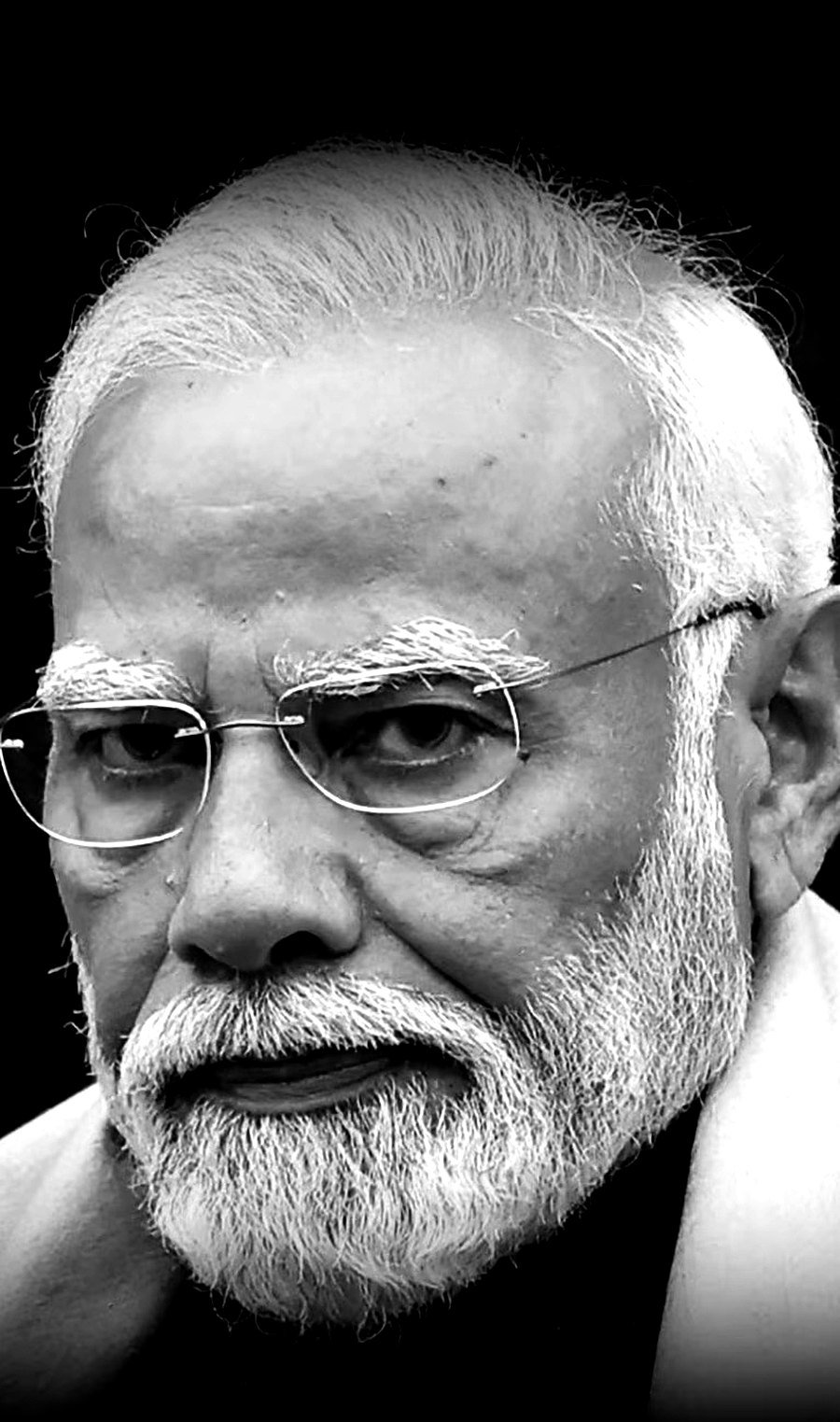
Not for one failure. For a record set out under six heads — failure at scale with nobody made to answer, promises made in writing and broken, power used in ways the courts have called unlawful, a Constitution left unhonoured in plain sight, and institutions weakened one appointment at a time.
None of the six has a minister. Every one of them belongs to him.
Promises are quoted from the governing party's own manifestos. Outcomes come from the Government of India's own publications and from judgments of the Supreme Court. Where the Government has a strong answer it is stated before it is examined. Nothing here says any individual caused any event.
Seven occasions on which the state failed at national scale. On every one of them, no member of the Union Council of Ministers was required to account.
Quoted from the 2014, 2019 and 2024 manifestos. Nobody should resign over a missed target — the point is the distance between the two columns, sustained across three mandates.
Not policy to disagree with — occasions on which the manner of using power was found unlawful by a court, or bypassed a scrutiny the Constitution provides for.
The head that is easiest to assert and hardest to prove, so it is confined to findings of Indian courts and figures in Indian records. No claim about intention. Nothing said about any community, any party or any person.
Provisions of the Constitution, and directions of the Court that enforces it, left unhonoured — in most cases at no cost and against no obstacle.
The bodies a citizen relies on to check a government, weakened not by a single act but by a pattern of appointment, exemption and delay.
No Minister for Keeping Promises. No Minister for Using Power Lawfully, no Minister for Holding the Country Together, no Minister for Constitutional Values, no Minister for Public Trust in Institutions.
Every one of the six belongs to the head of government and to nobody else — which is precisely why, in twelve years, nobody else has ever been asked about any of them.
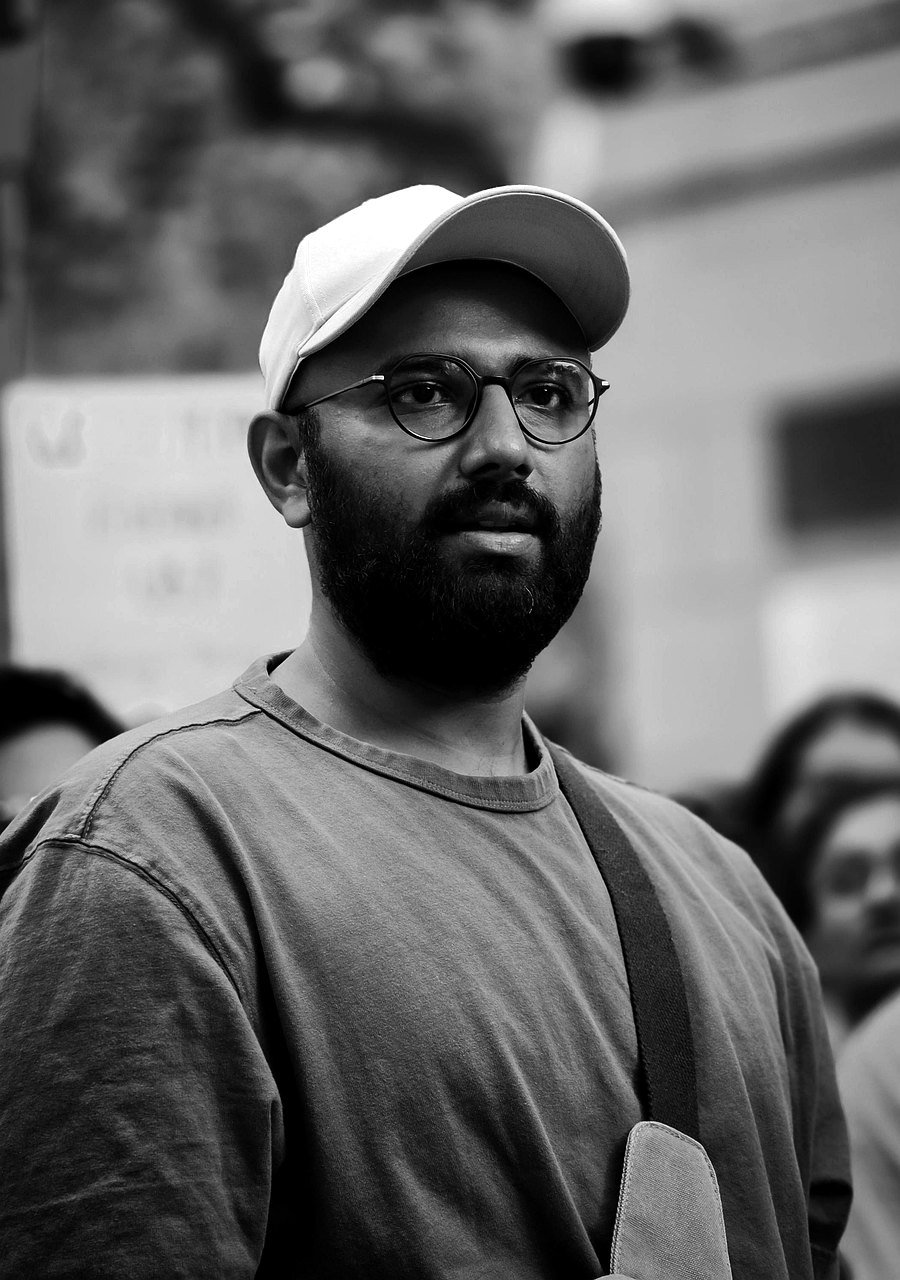
I was nineteen. It was my first vote. I am Gujarati, most of my family voted the same way, and a good number of them still do.
I did not vote out of ignorance or drift. I read the manifesto and I believed it. This petition is the audit of that decision, and I would rather say so at the top of the page than have it found out later.
I studied journalism between 2015 and 2018 and never worked a single day in it. By the time I graduated I could see the industry losing its spine, and I did not want to spend my twenties learning to look away professionally.
From 2018 to 2025 I worked with two non-profits, most of that time on the ground in people's movements rather than in an office. I also built a YouTube channel called The Fourth Pillar, to cover what the news had stopped covering. I deleted it. Not because it failed — because it was working, and I could feel my objectivity going with the growth. If I could not trust myself to be fair, I had no business asking anyone else to trust me.
I have never held office, never sought a ticket, never taken a rupee from a political organisation. In September 2025 I moved to London. I came back on 25 August 2026, for this.
On 10 September, at six in the morning, I leave August Kranti Maidan in Mumbai — the ground where the Quit India resolution was moved in 1942 — and I start walking north.
Roughly twenty-five kilometres a day on the shoulder of the highway, seven rest days and a pause for Diwali. Through my own state, past the towns my family votes in, where I will be asked to explain myself more sharply than anywhere else on the route. On 26 November I reach Jantar Mantar, and I hand in this petition together with my letter to the Prime Minister.
A letter in the post is filed. A letter carried on foot for seventy-eight days, through twenty-six districts, by one person who has to stand in front of every one of them and answer for it, is harder to file. That is the whole reason for the distance.
It is not a stunt and it is not a hunger strike — it is a walk on a public highway and a letter delivered at a designated protest site. There is no organisation behind me, no funding and no party.
I am a reader of political theory with an interest in deliberative democracy — which is a long way of saying that I believe arguments should be settled by evidence in public, and that a citizen may ask questions of the people who govern in his name.
That is the whole of my qualification. I think it is enough.
“To the Prime Minister of India. I have read the record set out under six heads and I do not allege that you caused any of it. I am asking the question the convention was built to settle — who answers — and I am asking it of the one office that cannot hand it to a colleague. Departments have ministers. These six do not. I ask you to resign, and to tender your resignation to the President of India.”